A traveler on a Kenya-focused TripAdvisor forum thread posted in mid-July asking for late-migration-season camp options. Reply after reply said the same thing: their first three choices were already full. That thread is not unusual. It is the pattern every migration season now follows.
Masai Mara camp availability during migration season tightens months before the herds arrive. Touring Insights breaks down the real booking timeline, which camps still have room, and what your options look like if you are planning late.
The Short Answer: When to Book Masai Mara Migration Season Camps
Book 6 to 9 months ahead for peak crossing weeks in August and September, especially at small camps with 8 to 12 tents. Aim for 3 to 4 months ahead for early migration weeks in July or the tail end in October. If you are inside 60 days of travel, focus on larger lodges near Mara Serena or Keekorok. Bigger properties hold rooms longer than exclusive conservancy camps.
Why Migration Season Camps Fill Up So Fast
The Masai Mara National Reserve covers roughly 1,510 km². Only a fraction of camps sit within realistic drive distance of the Mara River crossing points. Small tented camps built for an intimate, low-density experience often carry fewer than 20 beds total. One cancellation-driven promotion or one influencer post can sell out a camp’s remaining migration dates within days.
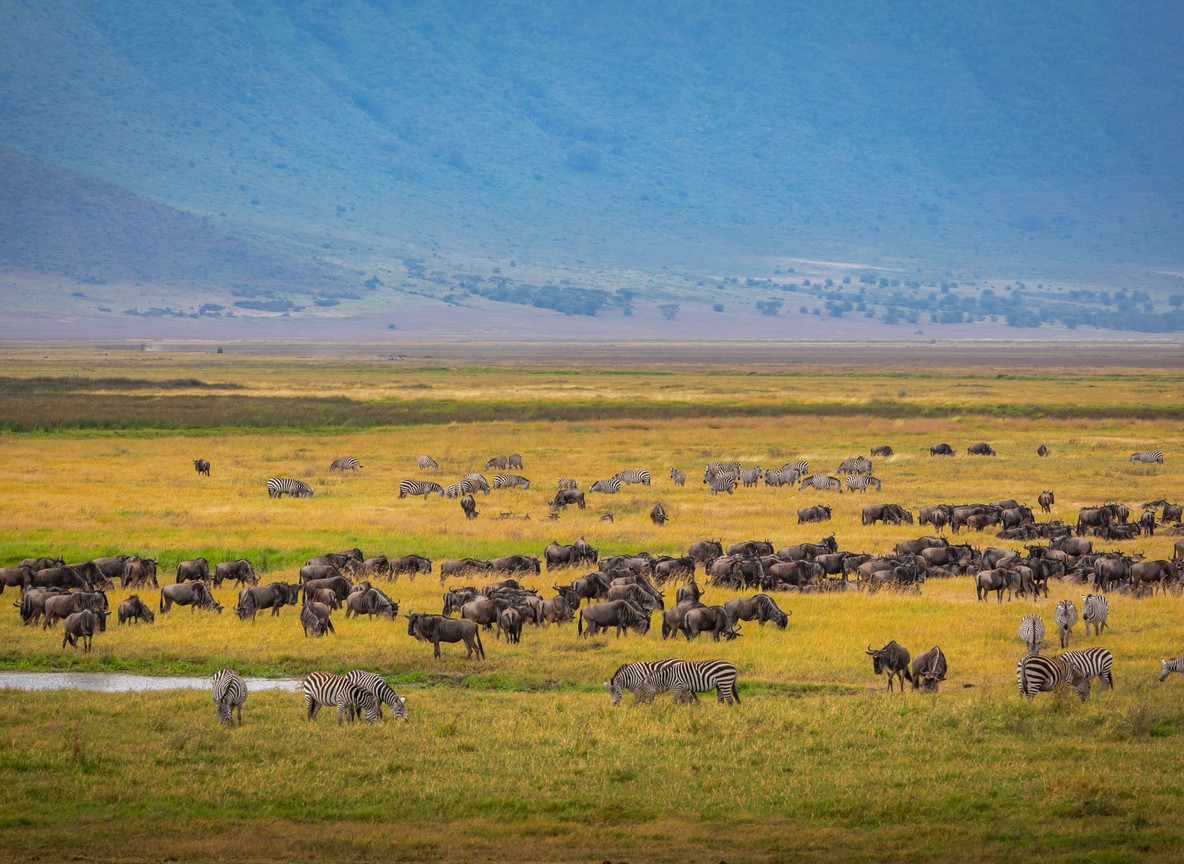
Demand also concentrates around a narrow window. The wildebeest migration typically clusters in the Mara between late July and September. Crossings at the Mara River and Sand River tend to peak through August. Every operator markets that same window, so every traveler wants the same six to eight weeks.
The Booking Timeline: How Far Ahead to Reserve
Camps release migration-season inventory on different schedules, but the pattern below reflects what repeat travelers and agents report each year.
| Booking Window | Camp Type | Typical Availability | Action to Take |
|---|---|---|---|
| 9-12 months ahead | Small conservancy camps (8-12 tents), e.g. Kicheche Mara Camp, Mara North Conservancy | Wide open | Book now if peak weeks matter most |
| 6-9 months ahead | Mid-size camps (15-25 tents), e.g. Governors’ Camp, Musiara | Good but narrowing | Confirm dates within 30 days of deciding |
| 3-4 months ahead | Larger lodges (40+ rooms), e.g. Mara Serena Safari Lodge, central Mara | Moderate | Still workable for most weeks |
| 6-8 weeks ahead | Larger lodges near Keekorok or Sekenani Gate | Limited to shoulder dates | Ask about waitlists for peak weeks |
| Under 4 weeks | Any camp type | Peak weeks mostly gone | Shift dates to early July or October |
Where Camps Sit: Distance, Access, and Fees
Camp location changes both your crossing odds and your access logistics. The table below uses real places and indicative figures so you can compare zones directly.
| Zone | Example Camp | Distance from Nairobi | Nearest Airstrip | Flight Time from Wilson Airport | Entry Fee (per person/day, indicative) |
|---|---|---|---|---|---|
| Mara Triangle (Mara Conservancy) | Angama Mara, Oloololo Escarpment | approx. 270 km, 5-6 hrs by road | Kichwa Tembo airstrip | approx. 45 min | $100 (indicative, confirm before travel) |
| Central Mara Reserve | Mara Serena Safari Lodge, near Ol Kiombo | approx. 275 km, 5-6 hrs by road | Ol Kiombo airstrip | approx. 45 min | $100 peak season (indicative) |
| Musiara area | Governors’ Camp, on the Mara River | approx. 280 km, 5.5-6 hrs by road | Musiara airstrip | approx. 45-50 min | $100 (indicative, confirm before travel) |
| Mara North Conservancy | Kicheche Mara Camp | approx. 290 km, 6 hrs by road | Musiara or Ol Kiombo airstrip | approx. 45-50 min | $100-140 conservancy fee (indicative) |
| Southeast Mara (Olderikesi) | Cottars 1920s Camp | approx. 300 km, 6-6.5 hrs by road | Cottar’s private airstrip | approx. 50 min | Conservancy rate, quoted per camp (indicative) |
Conservancy camps like those in Mara North or Olderikesi sit outside the main reserve boundary. They cap vehicle numbers per sighting, which matters during crossing season when reserve-side river crossings can draw a long line of vehicles.
What Happens If You Wait Too Long
Waiting past the 60-day mark does not mean no safari. It means fewer choices. The camps still holding rooms tend to be larger lodges, properties with less name recognition, or dates just outside the peak two or three weeks. None of that ruins a trip. Crossings happen across the whole June-through-October window, not on one fixed calendar date. A booking in early July or mid-October can still land a crossing.
What you lose by waiting is flexibility. You may end up choosing your camp based on what is open rather than what suits your budget or travel style. Expect to pay more too, since last-minute peak-season rooms rarely carry a discount.
Deposits and Holds: Locking In a Date Without Overcommitting
Most Masai Mara camps ask for a deposit of 25% to 50% to hold migration-season dates. The balance is usually due 60 to 90 days before arrival. Terms vary a lot by camp size, so always ask for the cancellation policy in writing before you pay anything.
Some conservancy camps offer a short, no-cost hold of 48 to 72 hours while you confirm flights or coordinate with other travelers. This is worth asking for directly, since it rarely appears on a public rate sheet. A confirmed hold beats an informal email promise, especially during busy spring weeks when agents juggle many requests at once.
If you are booking through a ground operator rather than directly with the camp, ask who controls the allocation. Some operators hold a fixed number of rooms per season. They release unsold inventory back to the camp at a set date, often 90 days out. Knowing that date tells you exactly when a seemingly full camp might open back up.
How to Improve Your Odds When Booking Late
Booking inside 60 days does not have to mean settling for whatever is left. A few tactics improve your odds. First, call camps directly instead of relying only on booking platforms. Platforms do not always reflect real-time inventory changes from cancellations. Second, widen your date range by two or three days on either side of your ideal window. Single-night gaps open up more often than full weeks.
Third, consider splitting your stay across two smaller camps instead of one longer stay at a single property. This spreads your risk across more available inventory. It often still delivers strong crossing odds, since the herds move across a wide stretch of the ecosystem through the season. Finally, ask your travel planner about camps just outside the reserve boundary, in conservancies like Naboisho or Olare Motorogi. Fewer travelers know to ask for these by name, so rooms can last longer.
Peak Weeks vs Shoulder Weeks: Where Availability Loosens
Late July and early August tend to book out first. That window catches early river crossings plus school holiday travelers from Europe and North America. September holds steadier demand too, driven by photography-focused travelers chasing the heaviest crossing activity.
Shoulder weeks in mid-July and through October carry noticeably better availability. Wildlife density stays strong, since resident game does not migrate away. Grass conditions from the rains often support excellent general game viewing, even without a guaranteed river crossing that day.
Explorer Notes
Ask a camp directly whether they hold a small allocation for late cancellations. Several Mara camps keep a short waitlist and will call within 24 to 48 hours of a cancellation, which beats refreshing booking sites yourself.
Conservancy camps often have more flexible cancellation terms than reserve-adjacent lodges, since they deal in lower guest volumes and want repeat clients. It is worth asking about a partial hold with a smaller deposit if you are still finalizing dates.
If your first-choice camp is full, ask about their sister property. Many operators run two or three camps across different zones of the Mara ecosystem. A booking agent can often move you into a nearby camp with a similar standard and comparable crossing access.
What to Read Next
- Deciding between reserve and conservancy stays? See our Masai Mara camps for the wildebeest migration guide.
- Weighing a shorter stay against a longer one? Read 3-night vs 5-night Maasai Mara safari guide.
- Building a full multi-stop trip? Check how many nights per camp on a Kenya safari.
FAQ
How far in advance should I book a Masai Mara migration season safari? Book 6 to 9 months ahead for peak August and September dates. This matters most at small camps. Shoulder weeks in July and October can often be booked 3 to 4 months out.
Which Masai Mara camps sell out fastest during migration season? Small tented camps with 8 to 12 rooms, such as those in Mara North Conservancy, tend to sell out first. They simply have limited total inventory.
Is it still possible to find a camp within 60 days of travel? Yes, but expect fewer choices. Larger lodges near Mara Serena or Keekorok hold rooms longer than small exclusive camps.
Do conservancy camps have better availability than reserve camps? Not automatically. Conservancy camps have fewer beds overall, but many also have more flexible waitlist and cancellation systems worth asking about directly.
Does booking late mean missing the wildebeest crossings? No. Crossings happen across the wider June-to-October window, not on one fixed date, so early July or mid-October bookings can still see a crossing.
Ready to lock in your migration season dates? Visit our Tour Packages page for current availability, or ask a partner operator to check specific camp openings for your travel window.
Further reading
- Maasai Mara Wildlife Conservancies Association
- Magical Kenya (Kenya Tourism Board)
- African Wildlife Foundation
More safari planning resources
- Wildebeest migration route map from Valley Safaris
- Mara River crossing guide on Touring Insights
- Great Migration safari collection on FindMySafari
- Best time to visit Kenya month-by-month map from Valley Safaris
Related guides: Booking a Kenya Safari Camp Over Christmas: Availability and Price Realities, Mobile Migration Camp vs Permanent Camp: How to Choose in the Masai Mara.